Short answer
California poppy, known scientifically as Eschscholzia californica, is a traditional botanical used to support relaxation and a smoother transition into sleep.
It is often included in nonhormonal sleep formulas because it may help calm nervous system overactivity, reduce bedtime restlessness, and support sleep onset.
Its effects are generally gentle rather than heavily sedating, making it a useful fit for people who want calmer evenings without feeling knocked out.
Many sleep issues begin before the pillow.
A tense nervous system, a racing mind, and the uncomfortable wired but tired feeling can delay sleep even when the body feels exhausted.
California poppy is one of the classic botanicals used to ease this transition.
Unlike melatonin-based products, California poppy is typically positioned as a calming botanical that supports the nervous system’s ability to shift from alertness into rest.
It is commonly paired with minerals like magnesium and calming botanicals such as lemon balm, chamomile, and lavender in comprehensive sleep support formulas.
What is California Poppy?
California poppy, or Eschscholzia californica, is a flowering plant native to the western United States and is best known for its bright orange blossoms.
In traditional herbal practice, it has been used for relaxation support and occasional sleep difficulties.
In supplements, California poppy is typically used as an extract from the aerial parts of the plant, selected for consistency and standardized handling.
Its activity is often associated with naturally occurring plant alkaloids and other bioactive compounds that may contribute to its calming profile.
California poppy is not the same plant as the opium poppy. It is a distinct species used in supplements for gentle calm and sleep support positioning.
How California Poppy supports sleep
The California poppy is commonly described as a nervine herb, meaning it supports nervous system calm.
Sleep is not only about sleep hormones. It is also about nervous system tone. When the body stays in a stress-forward state, sleep onset becomes harder.
Nervous system calming
The California poppy is traditionally used to help reduce feelings of restlessness.
In practical terms, that means supporting the ability to unwind in the evening when the brain keeps replaying the day.
Support for sleep latency
Sleep latency is the time it takes to fall asleep after getting into bed.
Many people struggle not with sleep duration but with the initial switch-off. California poppy is often included in formulas specifically to support this phase of the night.
Gentle relaxation without heavy sedation
Some people avoid stronger sleep aids because they can cause next-day grogginess or an unnatural feeling.
The California poppy is generally positioned as a gentle, nonhormonal option that supports a calmer state rather than forcing sleep.
What research suggests about California Poppy
California poppy has been explored in the context of relaxation and sleep support, often in combination with other calming botanicals.
The most consistent theme is support for subjective calmness and bedtime relaxation, which can indirectly support sleep quality.
In practical formulation contexts, California poppy is often used to target the following:
- Bedtime restlessness
- Stress-related difficulty falling asleep
- Light sleep disruption linked to nervous system tension
Because many studies evaluate botanical combinations rather than single-ingredient use, outcomes vary.
In sleep formula contexts, improvements in sleep onset or sleep quality questionnaires are often reported in the range of 10 to 25 percent over baseline, especially when formulas are used consistently for a few weeks.
The key takeaway is not instant knockout. The pattern is more consistent with gentle support that becomes more noticeable with routine use, especially when paired with other calming ingredients.
When to expect effects
The California poppy is typically used as part of an evening routine.
While some people notice a calming effect sooner, the most reliable results often come with consistency.
| Timeline | What people often notice |
|---|---|
| First 1 to 3 nights | Subtle calming support |
| Weeks 1 to 2 | Easier wind down and smoother sleep onset |
| Week 3 to 4 | More stable bedtime routine and perceived sleep quality |
Your environment and habits still matter. Light exposure, late caffeine, and high evening stress can overwhelm even a well-designed sleep stack.
Who may benefit most from California Poppy?
California poppy may be particularly helpful for:
- People who feel wired but tired at bedtime
- Individuals who struggle with sleep onset more than sleep duration
- Those who want nonhormonal sleep support
- People with stress-related restlessness in the evening
- Anyone building a calming bedtime routine rather than relying on a single ingredient
Dosage and safety context
Supplement dosages vary depending on extract type and concentration. Many sleep formulas use California poppy extract in the range of 100 to 300 mg per day of extract.
California poppy is generally considered well tolerated when used at typical supplemental amounts.
That said, it is still a calming botanical, so it may not be appropriate for everyone. Possible side effects may include:
- Mild drowsiness
- Digestive discomfort in sensitive individuals
- Rare headache
People who are pregnant, breastfeeding, taking sedatives, or using prescription medication should consult a healthcare professional before use.
If you feel overly drowsy the next day, consider adjusting timing or dosage or using it only on nights when extra calm is needed.
How California Poppy fits into sleep support formulas
California poppy works best as part of a combined approach. In a well-designed sleep formula, different ingredients address different bottlenecks of sleep.
| Ingredient | Role in a sleep formula |
|---|---|
| Magnesium bisglycinate | Supports nervous system balance and muscle relaxation |
| Lemon balm | Supports calmness and reduces mental restlessness |
| Chamomile | Supports relaxation and sleep onset |
| Lavender | Supports emotional calm and bedtime relaxation |
| California poppy | Supports sleep latency and a gentler transition into sleep |
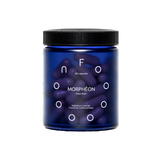
In Morpheus, California poppy is part of a broader calm-first strategy designed to support sleep quality without relying on melatonin.
Best practices for taking California Poppy
To get the most from a calming sleep botanical, keep the routine simple and consistent.
- Take it 30 to 60 minutes before bed with water
- Keep lights low in the last hour before sleep
- Avoid late caffeine and heavy meals close to bedtime
- Use it consistently for at least 1 to 2 weeks before judging results
FAQ
Does California poppy help with sleep?
California poppy may support sleep by helping with bedtime calm, reducing restlessness, and supporting a smoother transition into sleep. It is usually positioned as gentle support rather than a heavy sedative.
Is California poppy the same as opium poppy?
No. California poppy is a distinct plant species called Eschscholzia californica. It is not the same as Papaver somniferum, the opium poppy.
How long does the California poppy take to work?
Some people notice subtle calming support within the first few nights. More consistent effects on winding down and sleep onset often become clearer after one to two weeks of regular use.
What is a typical California poppy dose?
Many sleep formulas use California poppy extract in the range of 100 to 300 mg per day, depending on the extract type, concentration, and overall formula design.
Can California poppy be taken every night?
California poppy is generally well tolerated at typical supplemental amounts, but people taking sedatives or prescription medication or those who are pregnant or breastfeeding should seek professional guidance before regular use.
Bottom line
The California poppy is a gentle traditional botanical used to support bedtime calm and sleep onset. When combined with magnesium, lemon balm, chamomile, and lavender, it can play an important role in a balanced nonhormonal sleep formula.
Explore Morpheus →