









Summary
Vitamin C for skin matters because vitamin C contributes to normal collagen formation for the normal function of skin.
Diets rich in vitamin C are linked with fewer wrinkles, and oral vitamin C raised the skin's antioxidant activity in a small trial. Creams have separate evidence, and extra vitamin C helps most when intake is low.
It is November, the light is low, and the face in the bathroom mirror looks a little grey. Last week's paper cut is somehow still there. Vitamin C for skin is one of the most searched beauty topics, and with reason: skin relies on it daily to make collagen. This guide separates what eating or taking vitamin C can do from what serums can do, because the evidence differs.
| At a glance | Vitamin C (ascorbic acid) |
|---|---|
| Role in skin | Builds and stabilises collagen; antioxidant |
| Food sources | Peppers, kiwi, citrus, strawberries, broccoli |
| EU reference (NRV) | 80 mg a day |
| EFSA adult intake | 110 mg (men), 95 mg (women) a day |
| Upper limit | None set by EFSA |
What is vitamin C and why does your skin need it?
Vitamin C is a water soluble vitamin that humans cannot make, so it must come from food. Healthy skin holds high levels, more in the outer layer than in the deeper dermis.
It helps the enzymes that lock collagen fibres into a strong, stable shape. It also neutralises unstable molecules made by sunlight and pollution: vitamin C contributes to the protection of cells from oxidative stress. Levels are lower in older and sun damaged skin.
Who may need more vitamin C?
True deficiency is rare, but its signs show how much skin depends on it: fragile skin, bleeding gums, corkscrew hairs and slow healing. Your intake may fall short if you:
- Eat few fruits and vegetables
- Smoke, since smokers have lower vitamin C levels
- Are healing a wound, which uses up vitamin C faster
- Have inflamed skin, where lower levels have been reported
How vitamin C for skin may help
Vitamin C and collagen
Collagen gives skin its firmness. Without enough vitamin C, less collagen is made and it is less stable. This is the best established role, and the one the EU allows as a health claim.
Vitamin C for wrinkles
Wrinkles form as collagen wears down with age, sun and smoking. Diets richer in vitamin C are linked with fewer wrinkles, which does not prove a supplement smooths existing lines.
Vitamin C and wound healing
Slow healing is an early sign of low vitamin C. People who start low benefit most; extra adds little once intake is adequate.
Vitamin C for a healthy glow
Vitamin C works best alongside vitamin E, which it helps recycle, supporting the skin's own defences against daily sun and pollution. It never replaces sunscreen.
What the research shows on vitamin C for skin
Diet and wrinkles (2007, The American Journal of Clinical Nutrition). Dermatologists examined 4,025 women aged 40 to 74. Those with higher vitamin C intakes were less likely to look wrinkled or have age related dryness, after accounting for sun exposure and age. It was observational, so it shows a link, not proof.
Oral vitamin C reaches the skin (2013, Skin Pharmacology and Physiology). In 33 volunteers, four weeks of oral vitamin C raised the skin's ability to neutralise free radicals. A daily 100 mg raised it by 22% and 180 mg by 37%; placebo did nothing.
In a 4 week trial, 180 mg of oral vitamin C a day raised the skin's own antioxidant activity by 37%, with the effect already at its peak after 2 weeks.
Pressure sores (1995, Journal of Clinical Epidemiology). In 88 patients, 500 mg twice daily for 12 weeks healed sores no faster than a tiny 10 mg dose. More is not always better.
Topical cream (2003, Experimental Dermatology). Women with sun aged skin applied a 5% vitamin C cream to one side and a plain cream to the other for six months. The vitamin C side showed finer texture and fewer deep furrows. This applies to creams, not tablets.
Oral versus topical (2017, Nutrients). This review found supplements raise skin vitamin C mainly when blood levels are below full. Creams penetrate only in acidic formulas, and add little when levels are already full.
| Oral | Topical | |
|---|---|---|
| Reaches | Whole skin via the blood, including the dermis | Mainly the surface |
| Best evidence | Fewer wrinkles with higher intake; more skin antioxidant activity | 6 month trial of a 5% cream |
| Limits | Little extra once levels are full | Unstable; depends on the formula |
How much vitamin C do you need?
- Daily needs: EFSA sets 110 mg for men and 95 mg for women.
- Studied for skin: 100 and 180 mg a day.
- Upper amounts: EFSA set no upper limit, judging an extra 1,000 mg a day from supplements unlikely to upset the stomach.
- How: with a meal. Vitamin C also increases iron absorption from plant foods.
Oral and topical forms explained
- Ascorbic acid: the standard, well studied form.
- Buffered ascorbates: less acidic, which some sensitive stomachs prefer.
- Liposomal: wrapped in phospholipids; see our guide to liposomal versus regular vitamin C.
- Serums: pure ascorbic acid needs an acidic formula; stable derivatives exist, but how well skin converts them is uncertain.
Is vitamin C safe?
- Normal amounts are very well tolerated; large doses can cause loose stools.
- With an iron overload condition, kidney stones or kidney disease, ask your doctor before high doses.
- Persistent slow healing, easy bruising or bleeding gums need a medical check.
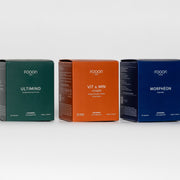
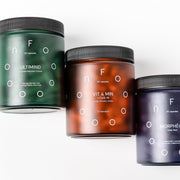
Vitamin C in FOOON VIT & MIN + CoQ10
VIT & MIN + CoQ10 combines vitamin C with vitamin E, zinc, copper, biotin, pine bark extract, lycopene and CoQ10 in sunflower lecithin liposomes, made in Greece in GMP and ISO certified facilities. Take up to 2 capsules daily after your main meal. It contains vitamin K, so ask your doctor if you take warfarin, are under medical supervision, pregnant or breastfeeding. See also zinc for skin and acne, who biotin really helps and the benefits of pine bark extract.
Frequently asked questions
Does taking vitamin C help your skin?
Vitamin C contributes to normal collagen formation for the normal function of skin. The biggest gains are expected in people with a low intake.
Can vitamin C reduce wrinkles?
Higher intakes were linked with fewer wrinkles, and a 5% cream improved sun aged skin. Neither proves a supplement erases existing lines.
Is oral or topical vitamin C better for skin?
Oral vitamin C reaches the whole skin through the blood; creams act mainly on the surface. Many people use both.
Does vitamin C help wounds heal faster?
Low vitamin C slows healing, but in a pressure sore trial a high dose worked no better than a very low one.
How much vitamin C should I take for my skin?
EFSA sets 110 mg a day for men and 95 mg for women. Skin studies used 100 to 180 mg a day.
Can I take too much vitamin C?
EFSA set no upper limit, but large doses can upset the stomach.
Bottom line
Vitamin C for skin is about steady daily supply, not mega doses. Skin needs it for collagen, diets rich in it are linked with fewer wrinkles, and creams offer a separate surface route. Eat colourful produce, cover gaps sensibly and see a doctor about slow healing.
Explore VIT & MIN + CoQ10 →Related reading: SOMA
Sources
- Pullar JM, Carr AC, Vissers MCM. The Roles of Vitamin C in Skin Health. Nutrients. 2017;9(8):866. PMID 28805671. doi.org/10.3390/nu9080866
- Cosgrove MC, Franco OH, Granger SP, Murray PG, Mayes AE. Dietary nutrient intakes and skin-aging appearance among middle-aged American women. The American Journal of Clinical Nutrition. 2007;86(4):1225-31. PMID 17921406. doi.org/10.1093/ajcn/86.4.1225
- Lauer AC, Groth N, Haag SF, Darvin ME, Lademann J, Meinke MC. Dose-dependent vitamin C uptake and radical scavenging activity in human skin measured with in vivo electron paramagnetic resonance spectroscopy. Skin Pharmacology and Physiology. 2013;26(3):147-54. PMID 23689595. doi.org/10.1159/000350833
- ter Riet G, Kessels AG, Knipschild PG. Randomized clinical trial of ascorbic acid in the treatment of pressure ulcers. Journal of Clinical Epidemiology. 1995;48(12):1453-60. PMID 8543959. doi.org/10.1016/0895-4356(95)00053-4
- Humbert PG, Haftek M, Creidi P, et al. Topical ascorbic acid on photoaged skin. Clinical, topographical and ultrastructural evaluation: double-blind study vs. placebo. Experimental Dermatology. 2003;12(3):237-44. PMID 12823436. doi.org/10.1034/j.1600-0625.2003.00008.x
- EFSA Panel on Dietetic Products, Nutrition and Allergies (NDA). Scientific Opinion on Dietary Reference Values for vitamin C. EFSA Journal. 2013;11(11):3418. doi.org/10.2903/j.efsa.2013.3418
- German Federal Institute for Risk Assessment (BfR). Proposed maximum levels for the addition of vitamin C to foods including food supplements (summarises the EFSA upper level position and the EU labelling reference value of 80 mg). bfr.bund.de


