








Summary
Vitamin K2 and D3 work as a team: vitamin D contributes to the normal absorption of calcium, and vitamin K contributes to the maintenance of normal bones by activating the proteins that use it.
Three year trials of K2 alone found slower bone loss and less arterial stiffness in postmenopausal women. Trials of the pair together are still few. If you take warfarin or a similar blood thinner, do not take K2 without your doctor.
Vitamin D gets most of the attention in winter, but more people now take it with vitamin K2. The idea is simple: one vitamin helps you absorb calcium, the other helps put it where it belongs. Here is what the research on vitamin K2 and D3 really shows, the amounts studied and the safety point that matters most.
| At a glance | Vitamin D3 | Vitamin K2 |
|---|---|---|
| Main sources | Summer sun, oily fish, egg yolk | Natto, hard cheese, egg yolk |
| Common supplement form | Cholecalciferol | Menaquinone 7 (MK 7) |
| EU daily reference value (NRV) | 5 µg | 75 µg (vitamin K) |
| EFSA upper limit | 100 µg a day | None set |
| Authorised roles | Normal absorption of calcium; maintenance of normal bones | Normal blood clotting; maintenance of normal bones |
How vitamin K2 and D3 work together
Vitamin D raises the amount of calcium your gut absorbs. Your body then needs vitamin K to activate two proteins that handle that calcium: osteocalcin, which binds it into bone, and matrix Gla protein, which helps keep it out of artery walls.
Without enough vitamin K, these proteins stay partly inactive. That is the reason researchers became interested in pairing the two vitamins.
K1 and K2: what is the difference?
- Vitamin K1 comes mainly from leafy green vegetables and is used first by the liver for blood clotting.
- Vitamin K2 is a family of forms called menaquinones, found in fermented foods and some animal foods.
- MK 7, the form made from natto, stays in the blood much longer than K1.
What the research shows on vitamin K2 and D3
K1 compared with MK 7 (2007, Blood). In healthy volunteers, both forms were well absorbed and peaked about four hours after intake. MK 7 had a much longer half life, built up to 7 to 8 times higher blood levels with daily use and activated osteocalcin more fully.
Bones after menopause (2013, Osteoporosis International). In 244 healthy postmenopausal women, 180 µg of MK 7 a day for three years slowed the age related loss of bone density at the lower spine and hip neck compared with placebo, though not at the total hip. Measures of bone strength also improved.
In a three year trial, 180 µg of vitamin K2 a day slowed bone density loss at the spine and hip neck in postmenopausal women.
Arterial stiffness (2015, Thrombosis and Haemostasis). In the same group of women, MK 7 lowered a key measure of artery stiffness, with the clearest effect in women who started with stiffer arteries. A marker of inactive matrix Gla protein fell by half.
Diet and heart health (2004, Journal of Nutrition). In 4,807 Dutch adults, those with the highest intake of menaquinones from food had a lower rate of death from coronary heart disease and less severe calcification of the aorta. Intake of K1 showed no such link. This was an observational study, so it cannot prove cause and effect.
Blood thinners (2013, Journal of Thrombosis and Haemostasis). In 18 healthy volunteers given the blood thinner acenocoumarol, MK 7 doses of just 10 to 45 µg a day lowered the clotting time measure called INR. The authors concluded that people on these medicines should avoid MK 7 supplements.
| Study | Who | What was given | Main finding |
|---|---|---|---|
| Schurgers, 2007 | Healthy volunteers | K1 or MK 7 | MK 7 lasts longer and builds higher levels |
| Knapen, 2013 | 244 postmenopausal women | 180 µg MK 7, 3 years | Slower bone density loss at spine and hip neck |
| Knapen, 2015 | Same 244 women | 180 µg MK 7, 3 years | Less arterial stiffness |
| Geleijnse, 2004 | 4,807 adults | Dietary intake, observational | Higher K2 intake linked to lower heart death rate |
| Theuwissen, 2013 | 18 adults on a blood thinner | 10 to 45 µg MK 7 | Changed clotting control |
Few trials have tested vitamin K2 and D3 together against each on its own, so the case for the pair rests on how they work in the body. For vitamin D on its own, see our guide to vitamin D, hair, mood and immunity and our vitamin D dosage guide for adults in Greece.
How much should you take?
- Vitamin D3: the EU reference value is 5 µg; stay below the EFSA upper limit of 100 µg a day.
- Vitamin K: the EU reference value is 75 µg; the bone and artery trials used 180 µg of MK 7.
- With food: both are fat soluble, so take them with a meal that contains some fat.
- Check your total: add up all supplements and fortified foods you use.
Who should avoid vitamin K2?
- People on warfarin or acenocoumarol: even small amounts of K2 can change clotting control. Never start or stop K2 without your doctor.
- People on other blood thinners or with a clotting disorder should ask their doctor first.
- Anyone with high blood calcium, kidney disease or sarcoidosis should check before taking vitamin D.
- If you are pregnant or breastfeeding, ask your doctor before starting new supplements.
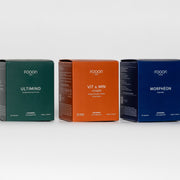
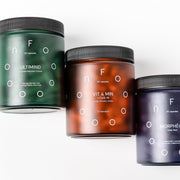
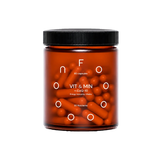
Vitamin K2 and D3 in FOOON VIT & MIN + CoQ10
VIT & MIN + CoQ10 combines vitamin D3 and vitamin K2 with zinc, iron as ferrous bisglycinate, vitamin B12, folic acid and coenzyme Q10, plus the other ingredients on the label. Take up to 2 capsules a day with water after your main meal, which helps with fat soluble vitamins. It is gluten and lactose free and made in Greece. Because it contains vitamin K, do not take it if you use warfarin or a similar blood thinner unless your doctor agrees. For pairing advice, read our guide to safe vitamin combinations and our multivitamin guide.
Frequently asked questions
Why take vitamin K2 with vitamin D3?
Vitamin D helps you absorb calcium, and vitamin K activates the proteins that bind calcium into bone. Each vitamin covers a different step.
Is it dangerous to take vitamin D without K2?
At normal doses, vitamin D alone is considered safe. Most people get some vitamin K from food; very high vitamin D doses should only be taken with medical advice.
Which is better, MK 4 or MK 7?
MK 7 stays in the blood longer, so it works at lower daily doses. MK 4 has been studied at much higher amounts.
Can I take K2 if I am on blood thinners?
Not with warfarin or acenocoumarol unless your doctor agrees, as even 10 µg a day changed clotting in a trial. Ask about any other blood thinner.
How long does K2 take to affect bones?
Bone changes are slow. The main trial measured results after one, two and three years of daily use.
What foods contain vitamin K2?
Natto is the richest source, with smaller amounts in hard cheeses and egg yolks.
Bottom line
Vitamin K2 and D3 cover two steps of the same job: vitamin D contributes to normal calcium absorption and vitamin K contributes to the maintenance of normal bones. Long trials of K2 found slower bone loss and less arterial stiffness after menopause. Take both with a meal, stay within EFSA limits and avoid K2 if you are on warfarin.
Explore VIT & MIN + CoQ10 →Related reading: SOMA
Sources
- Schurgers LJ, Teunissen KJ, Hamulyák K, Knapen MH, Vik H, Vermeer C. Vitamin K-containing dietary supplements: comparison of synthetic vitamin K1 and natto-derived menaquinone-7. Blood. 2007;109(8):3279-83. PMID 17158229. doi.org/10.1182/blood-2006-08-040709
- Knapen MH, Drummen NE, Smit E, Vermeer C, Theuwissen E. Three-year low-dose menaquinone-7 supplementation helps decrease bone loss in healthy postmenopausal women. Osteoporosis International. 2013;24(9):2499-507. PMID 23525894. doi.org/10.1007/s00198-013-2325-6
- Knapen MH, Braam LA, Drummen NE, Bekers O, Hoeks AP, Vermeer C. Menaquinone-7 supplementation improves arterial stiffness in healthy postmenopausal women. A double-blind randomised clinical trial. Thrombosis and Haemostasis. 2015;113(5):1135-44. PMID 25694037. doi.org/10.1160/TH14-08-0675
- Geleijnse JM, Vermeer C, Grobbee DE, et al. Dietary intake of menaquinone is associated with a reduced risk of coronary heart disease: the Rotterdam Study. Journal of Nutrition. 2004;134(11):3100-5. PMID 15514282. doi.org/10.1093/jn/134.11.3100
- Theuwissen E, Teunissen KJ, Spronk HM, et al. Effect of low-dose supplements of menaquinone-7 (vitamin K2) on the stability of oral anticoagulant treatment: dose-response relationship in healthy volunteers. Journal of Thrombosis and Haemostasis. 2013;11(6):1085-92. PMID 23530987. doi.org/10.1111/jth.12203
- European Food Safety Authority. Overview on Tolerable Upper Intake Levels as derived by the Scientific Committee on Food (SCF) and the EFSA Panel on Dietetic Products, Nutrition and Allergies (NDA). Version 11, August 2025. efsa.europa.eu
- Regulation (EU) No 1169/2011 on the provision of food information to consumers, Annex XIII (nutrient reference values). eur-lex.europa.eu


