







TL;DR
Melatonin free sleep supplements support natural sleep onset and sleep quality by targeting the nervous system, stress response, and circadian cues without using synthetic hormones.
Key ingredients include magnesium bisglycinate, L theanine, lemon balm, chamomile, and lavender.
Most people reach for melatonin when they struggle with sleep. But melatonin is a hormone, and using synthetic hormones nightly raises questions about long term hormonal feedback. A growing body of research supports nonhormonal, botanically based approaches to sleep.
Why consider a melatonin free approach?
Melatonin signals when it is time to sleep, but it does not directly promote relaxation, reduce cortisol, or calm the nervous system. For people whose primary sleep obstacle is stress or nervous system overactivation, melatonin alone may not address the root issue.
- Nervous system downregulation
- Cortisol and stress response support
- GABA pathway activity
- Natural circadian rhythm support without hormonal intervention
Key ingredients in melatonin free sleep support
Magnesium bisglycinate
Supports GABA receptor function, muscle relaxation, and nervous system regulation.
L Theanine
Promotes alpha brainwave activity and reduces stress markers, supporting calm alertness.
Lemon balm
Studied for anxiolytic and sleep supporting effects through GABA pathways.
Chamomile extract
Contains apigenin, a flavonoid that binds to benzodiazepine receptors and produces mild sedative effects.
Lavender
Demonstrated sleep supporting effects through GABA and NMDA receptor activity.
California poppy
Interacts with GABA and benzodiazepine receptor sites for nervous system calm.
Chromium
Supports blood sugar regulation, relevant to sleep continuity during the night.
How a melatonin free formula works
| Mechanism | Ingredients |
|---|---|
| GABA pathway support | Magnesium, lemon balm, chamomile, lavender, California poppy |
| Nervous system downregulation | L Theanine, lemon balm, lavender |
| Blood sugar stability | Chromium |
A melatonin free formula works best as part of consistent sleep hygiene, not as a standalone fix for poor sleep habits.
FAQ
Can you sleep without melatonin?
Yes. Nonhormonal supplements can support natural sleep onset by targeting the nervous system and GABA pathways without synthetic hormones.
What are the best melatonin alternatives for sleep?
Magnesium bisglycinate, L theanine, lemon balm, chamomile, lavender, and California poppy all have evidence supporting their sleep related effects.
Is melatonin free sleep support effective?
Multiple clinical trials support the sleep related benefits of melatonin free ingredients. For stress driven sleep disruption, a melatonin free approach may be more targeted.
Bottom line
Melatonin free sleep support targets the root causes of sleep difficulty. Combined with consistent sleep habits, this approach supports natural, hormone free sleep quality.
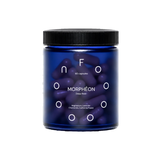
Explore Morphéon →Related reading: California Poppy: Sleep Latency, Nervous System Calm And Gentle Night Support


